Neuroinclusion Strategist · Author · Speaker

What happens when talented people spend more energy fitting in than contributing?

For much of my career, I did two jobs at once: the work, and the work of looking like I belonged while doing it. I'm a Black, autistic, ADHD Air Force veteran. I help organizations find the expectations that drain people, then redesign them so difference doesn't have to be hidden or translated.

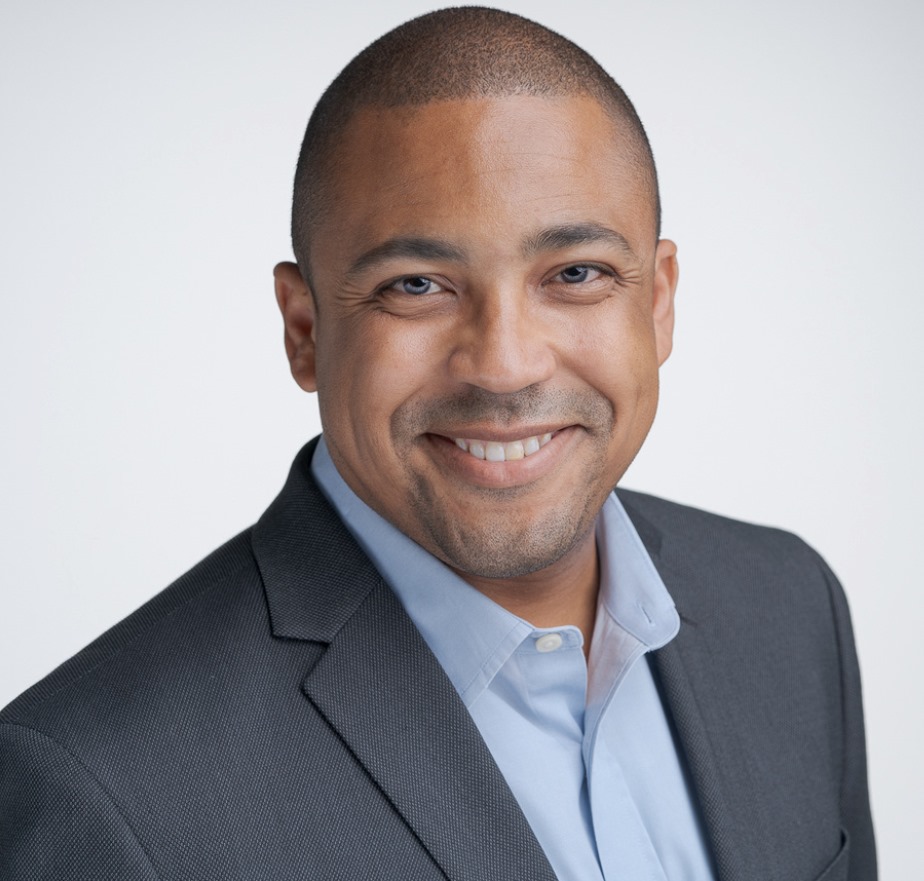
Professional portrait of Rolondo Talbott in a gray suit and blue shirt
The work

Every workplace carries expectations about how to think, talk, show up, and lead. I help organizations identify which expectations support the work and which merely enforce familiarity.

01United States Air ForceOfficer service. Leadership, hierarchy, mission, and performance.
02Corporate & organizational leadershipPrograms, operations, systems, change, and inclusion.
03Higher educationTechnology, project leadership, learning, and student-facing work.
04Civic leadershipPolice Commission service and local public leadership.
05Neuroinclusion strategyTalks, frameworks, facilitation, and advisory work.
Featured talks

The talks I give most often.

Each can be shaped as a keynote, fireside chat, executive session, or workshop. For audiences that need a different entry point, I also build custom conversations from the wider body of work below.

01 · FLAGSHIP

The Cost of Fitting In

What neurodivergence teaches us about performance, belonging, and the energy we spend being acceptable.

Masking means hiding how you naturally think, talk, or move so you'll be read as competent. It costs energy every day. Organizations pay for it in burnout, turnover, and ideas that never get said out loud.

Explore The Cost of Fitting In →
02 · LEADERSHIP

The Hidden Rules of Leadership

Neurodivergence, executive presence, and who gets seen as leadership material.

Executive presence and culture fit often reward resemblance to a familiar style more than the ability to lead. This talk helps leaders tell the difference and see what gets lost when they cannot.

Explore The Hidden Rules of Leadership →
03 · ACCESS & DESIGN

Beyond Accommodation

Building workplaces and events around how people actually vary.

Most organizations wait for someone to disclose, document, and ask. By then, that person has already paid a price. This talk shows how to build flexibility into meetings, events, and systems from the start.

Explore Beyond Accommodation →

The talks are the delivery. The frameworks below are the engine behind much of the thinking.

Other conversations I work in

Black neurodivergenceRace, neurotype, recognition, and the experience of being read through more than one set of assumptions.
Psychological agencyHow much control people retain over participation, boundaries, identity, and disclosure.
Masking & compulsory performanceThe energy spent making difference look acceptable before contribution can even begin.
Feedback, power & belongingWhat happens when people are invited to speak but the cost of candor is unevenly distributed.
Race, identity & interpretationHow the same behavior can be assigned different meaning depending on who is doing it.
Neurodivergent leadershipWho gets recognized as leadership material, and which styles are treated as evidence of readiness.
Infantilization & recognitionWhat changes when disclosure causes competent adults to be treated as less capable.
Inclusive event designHow communication, sensory needs, participation, and energy can be designed in from the start.
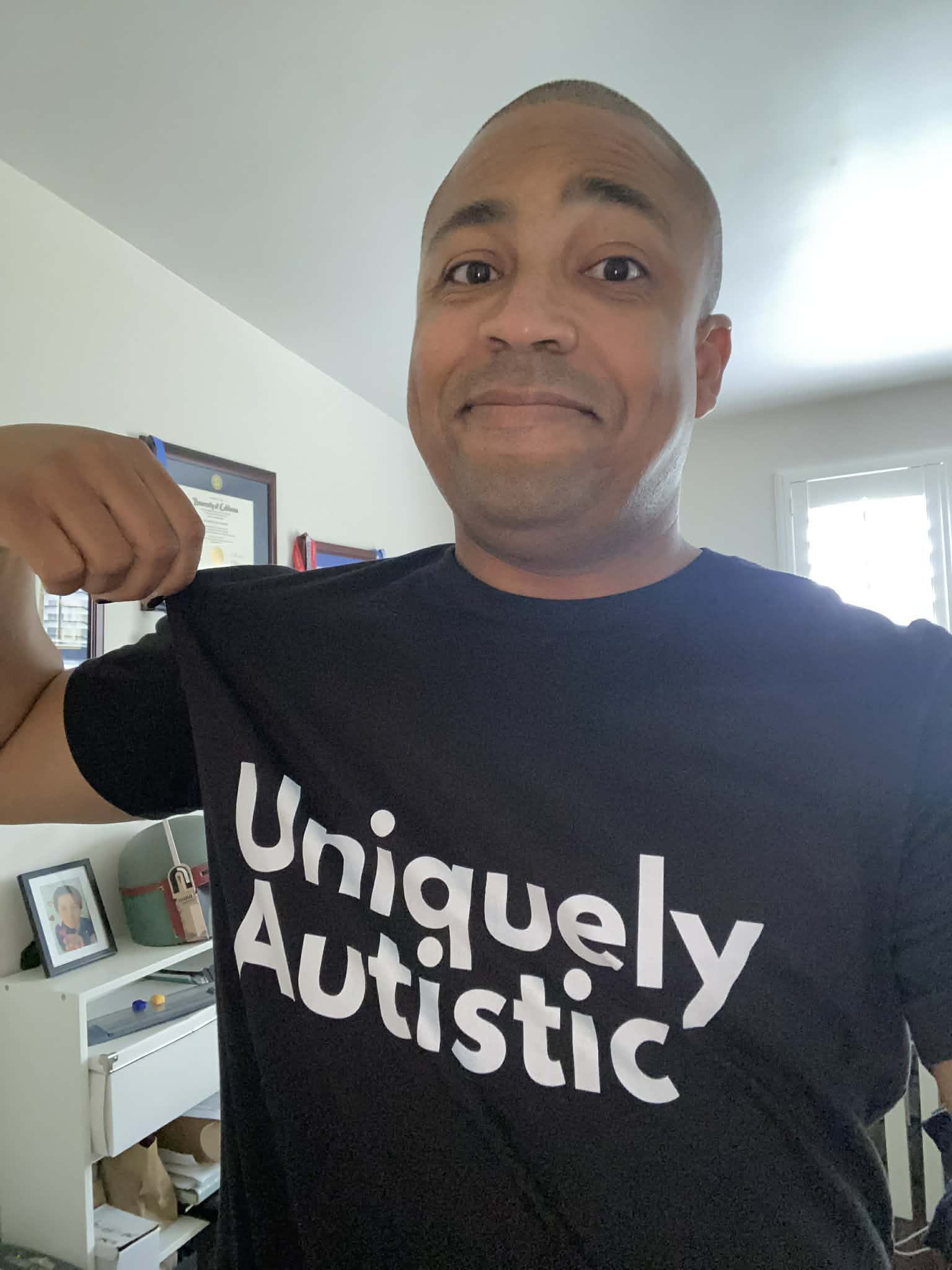
Rolondo Talbott smiling and wearing a shirt that reads Uniquely Autistic
About Rolondo

I've lived inside the systems I ask audiences to question.

I remember being asked for feedback and taking the question seriously. I answered carefully and candidly because I believed that was what the invitation required. What stayed with me was not the feedback itself, but what seemed to change afterward: the subtle shift in how the relationship felt, and the realization that being invited to speak and being safe to speak were not necessarily the same thing.

Experiences like that taught me to pay attention to the rules nobody writes down. The expectation may say, "Tell us what you think." The hidden rule may be, "But understand what happens when you do."

I'm a Black autistic and ADHD adult, Air Force veteran, author, educator, neuroinclusion strategist, and organizational leader. My career has moved through military service, corporate environments, higher education, project and program leadership, inclusion work, and civic service.

I learned the rules of professionalism in uniform, in corporate offices, on campuses, and at a Police Commission table. I also learned what those rules cost the people they were never written for. Being Black and autistic means I'm often read twice, once for my race and once for my brain, and rarely as both at the same time. That double reading is where much of my work begins.
The work is not about making people better at surviving the system. It is about becoming more willing to redesign the system.
Writing

Essays and ideas in longer form.

Books & creative work

Some of the same questions show up in a different form in my books. Corporatysm: Being Black and Autistic in Corporate America is the closest companion to my speaking work, using poetry and performance to explore masking, race, misreading, and the cost of navigating corporate systems. My broader creative catalog also includes The Spectrum Awakens, 1000 Papercuts, and the Uniquely Me series.

Ways to work together

Where I can help.

Keynotes & fireside chats

For conferences, leadership retreats, and employee gatherings that want honesty more than inspiration.

Workshops

Hands-on sessions where teams find the unwritten rules in their own work and decide what to change.

Advisory & event design

For teams that want access built into the plan instead of patched in later.

For event planners

Speaker materials available on request

I can provide approved bios, headshots, talk descriptions, AV needs, and accessibility information once we begin planning an engagement.

Book Rolondo

Tell me who's in the room and what keeps breaking.

Share your event, audience, date, and what you hope changes afterward. If I'm not the right fit, I'll tell you and, when I can, point you toward someone who may be.

Start a speaking inquiry